Infrastructure for
an Intelligent world
The physical and digital infrastructure required to power, connect and operate next-generation technologies.

The physical and digital infrastructure required to power, connect and operate next-generation technologies.
Modern technology depends on infrastructure capable of supporting increasingly complex digital and physical systems.
ATLABA explores the infrastructure required to connect computation, energy, communications, data and intelligent machines.
From high-performance data centers to distributed edge environments, infrastructure is becoming an active component of technological ecosystems.
The convergence of digital and physical infrastructure creates the foundation for artificial intelligence, robotics, autonomous systems and emerging technologies.
Data centers are becoming critical infrastructure for the modern digital economy. They provide the computing power, storage capacity, networking and energy systems required to operate increasingly demanding applications and artificial intelligence workloads.
ATLABA explores next-generation data center environments designed around scalability, efficiency, connectivity, resilience and high-performance computing. These facilities form the physical foundation for cloud services, AI systems, autonomous platforms and large-scale digital operations.
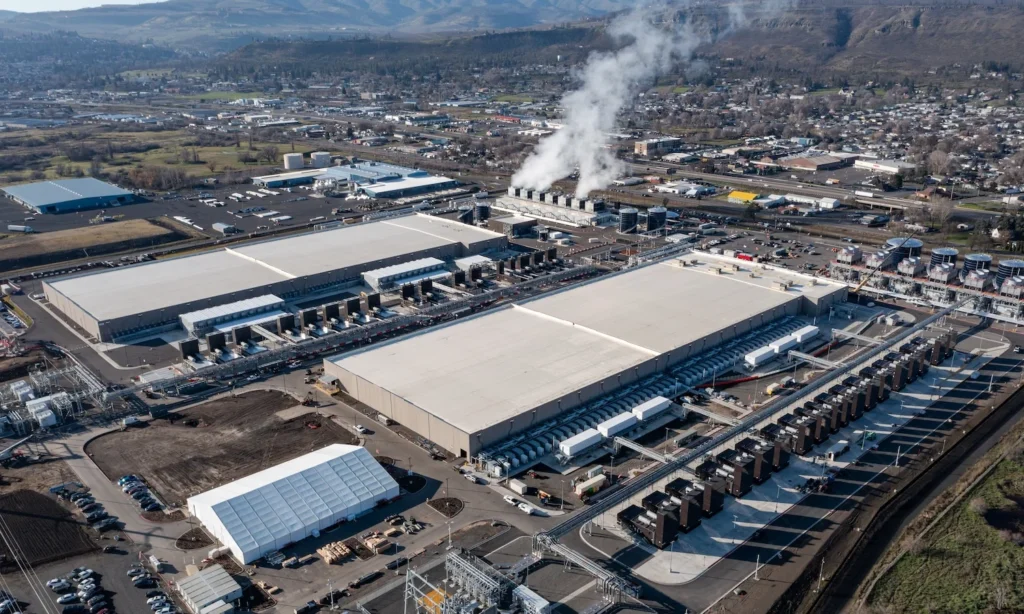
Cloud and edge computing are transforming where computation takes place and how digital services interact with the physical world. Cloud environments provide scalable centralized resources, while edge computing brings processing capabilities closer to devices, users, machines and sources of data.
Together, these architectures create distributed computing environments capable of supporting applications that require scalability, low latency and continuous access to information. They are becoming increasingly important for AI, robotics, autonomous systems, industrial operations and connected infrastructure.

Connectivity provides the communication layer linking people, machines, applications, data centers and intelligent systems. High-speed networks, fiber infrastructure, wireless technologies and advanced communication architectures allow information to move continuously across increasingly distributed environments.
As autonomous systems and intelligent machines become more prevalent, connectivity becomes essential for coordination, remote operation, real-time data exchange and interaction between physical and digital environments.

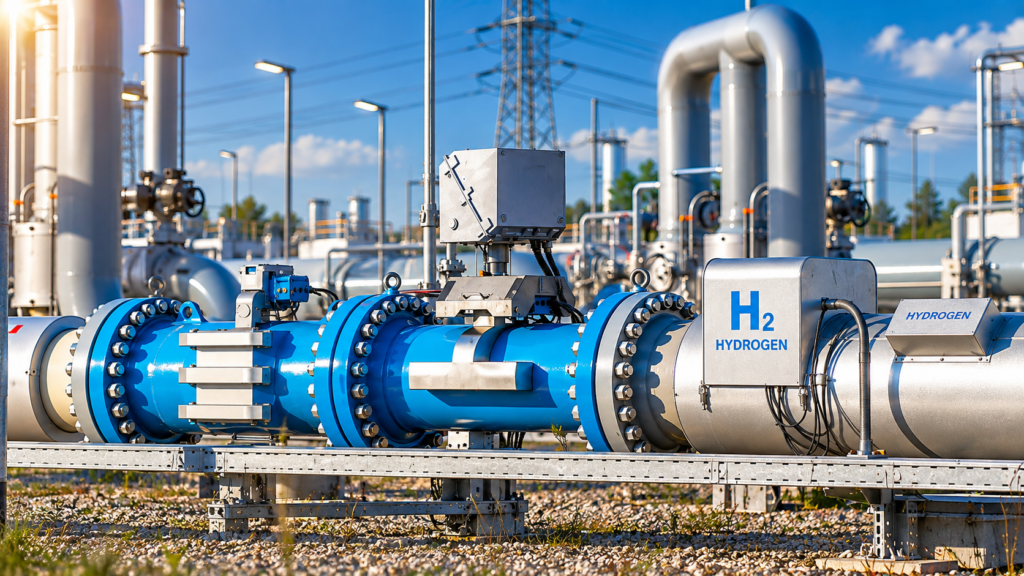
Every technological ecosystem ultimately depends on reliable access to energy. The growth of data centers, artificial intelligence, robotics, electrification and advanced industrial systems is creating new requirements for generation, storage, distribution and energy management.
ATLABA explores the relationship between technological infrastructure and energy infrastructure, including renewable generation, energy storage, intelligent distribution and systems designed to improve resilience and efficiency across increasingly electrified environments.
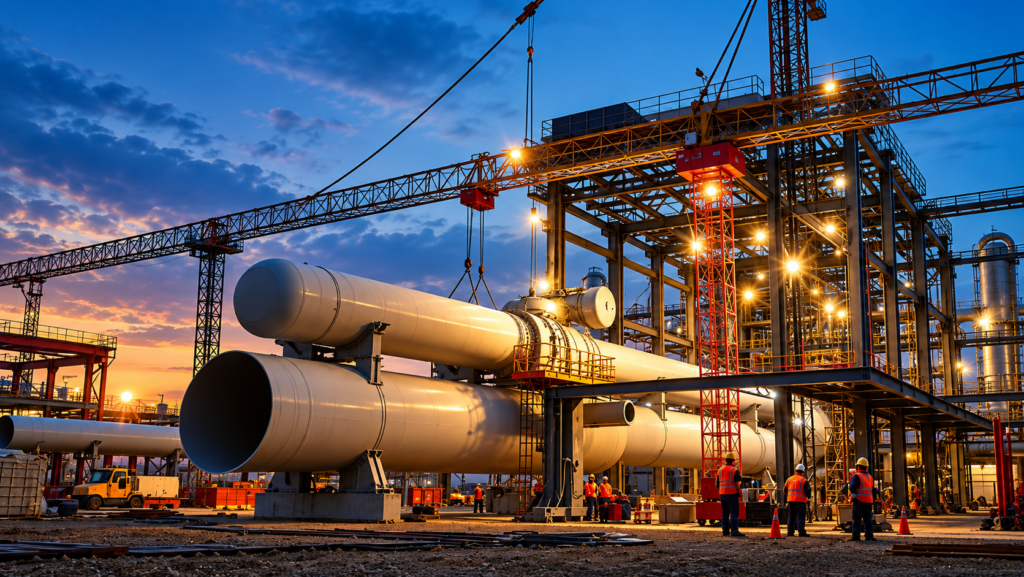
Industrial infrastructure encompasses the facilities, equipment, automation systems and technological environments required to support advanced manufacturing and large-scale industrial operations.
The integration of robotics, artificial intelligence, sensors, connected machinery and autonomous systems is transforming traditional industrial environments into increasingly intelligent and interconnected ecosystems. ATLABA explores the technologies enabling this transition and the infrastructure required to support it.
Artificial intelligence, robotics, autonomous systems and emerging technologies require increasingly sophisticated environments in which to operate.
Their development depends not only on software and algorithms, but also on the availability of computing capacity, energy, connectivity, data and physical infrastructure.The next generation of technological ecosystems will increasingly combine these layers into interconnected environments capable of supporting continuous computation, communication and autonomous operation.
ATLABA explores how these infrastructure domains can evolve together, creating the foundations for technologies that are more distributed, connected, resilient and intelligent.From data centers and cloud infrastructure to energy systems, networks and industrial environments, infrastructure represents the foundation upon which the next generation of technology will be built.